What this page is: A directory of state-by-state DOT compliance guides covering all 50 U.S. states and Washington DC.
What varies by state: Enforcement practices, inspection frequency, permit and registration requirements, size and weight rules, penalty structures, and the degree to which states adopt or exceed federal standards.
What does not vary: Baseline federal FMCSA regulations (49 CFR Parts 300–399), including Hours of Service, driver qualification standards, drug and alcohol testing requirements, and vehicle maintenance minimums.
Primary sources: FMCSA regulations via the Electronic Code of Federal Regulations (eCFR), CVSA inspection standards, and individual state agency materials. See Sources & Methodology below.
Every commercial motor carrier operating in the United States must comply with federal safety regulations established by the Federal Motor Carrier Safety Administration (FMCSA). These regulations cover vehicle maintenance, driver qualifications, hours of service, drug and alcohol testing, and record retention. However, federal standards represent the baseline — each state has the authority to enforce additional requirements that go beyond FMCSA minimums.
The differences between states can be significant. Penalty structures, inspection frequency, permit requirements, weight limits, and reporting obligations all vary. A carrier that meets compliance standards in one state may encounter different requirements in another. These guides are designed to help you understand common state-specific enforcement patterns, documentation expectations, and where to find official requirements.
Each guide covers the state's inspection process, common violations, penalty structures, required documentation, and practical compliance strategies. Whether you operate in one state or run routes across the country, these guides help you prepare for inspections by outlining common requirements, documentation practices, and official resources. Outcomes depend on your specific operation and enforcement discretion.
California operates a well-known terminal inspection program (BIT) in addition to standard roadside inspections, making it a uniquely structured compliance environment. The Basic Inspection of Terminals program, administered by the California Highway Patrol, requires enrolled carriers to maintain their terminals to CHP standards and submit to periodic facility audits. This is in addition to the standard CVSA roadside inspections that apply in every state.
California also enforces 90-day inspection requirements under Vehicle Code Section 34505.5, which may require quarterly safety inspections for certain commercial vehicles. California's 90-day inspection rules are unusual compared with most states. If you operate in California, our dedicated guide covers BIT enrollment, 90-day inspection procedures, CHP audit preparation, and AB 3278 exemptions.
Read California BIT & DOT GuideThe FMCSA establishes federal minimums, but each state can adopt stricter regulations through its department of transportation, highway patrol, or public utilities commission. States with higher commercial traffic volumes tend to have more active enforcement programs.
States vary widely in how they conduct inspections. Some rely heavily on fixed weigh stations and ports of entry. Others use roving enforcement units that conduct inspections on the road. Inspection frequency, staffing levels, and targeting criteria differ by jurisdiction.
Fine amounts, Out-of-Service criteria, and escalation procedures differ by state. A violation that results in a warning in one state may trigger a different response in another. Understanding local penalty structures can help you prioritize compliance efforts.
1 Find your state. Use the search bar or grid below to locate the guide for any state where you operate.
2 Review enforcement agencies and inspection triggers. Each guide identifies the primary state enforcement agency, common inspection scenarios, and what officers typically look for.
3 Check your documentation. Compare your current records against the state's requirements for driver qualification files, vehicle maintenance logs, and inspection reports.
4 Bookmark official resources. Every guide links directly to state agency portals, so you can verify requirements and access forms at the source.
Each state guide typically addresses: enforcement agencies, intrastate vs. interstate considerations, common inspection triggers, documentation checklists, and links to official government resources.
These guides are intended as starting points. Because enforcement practices and state adoption of federal rules can change, carriers should always verify requirements with the listed agencies.

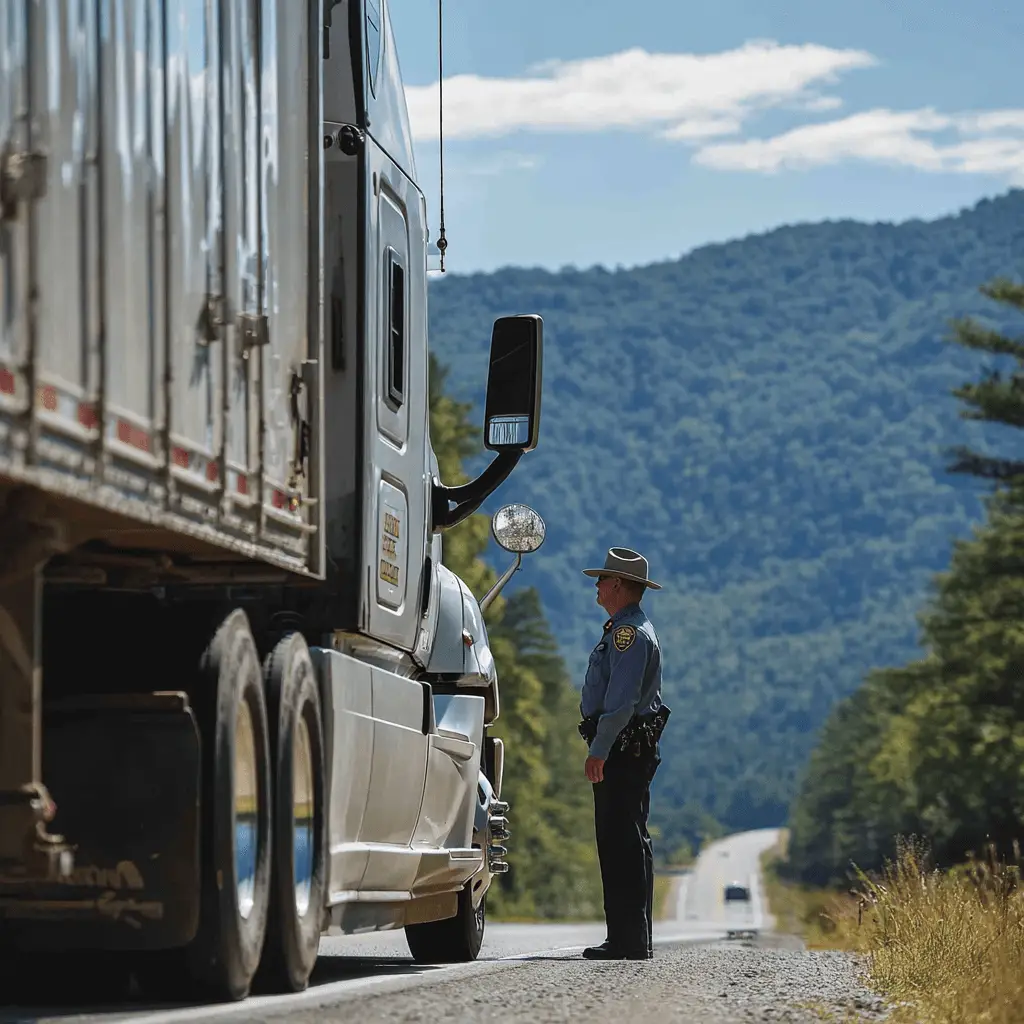

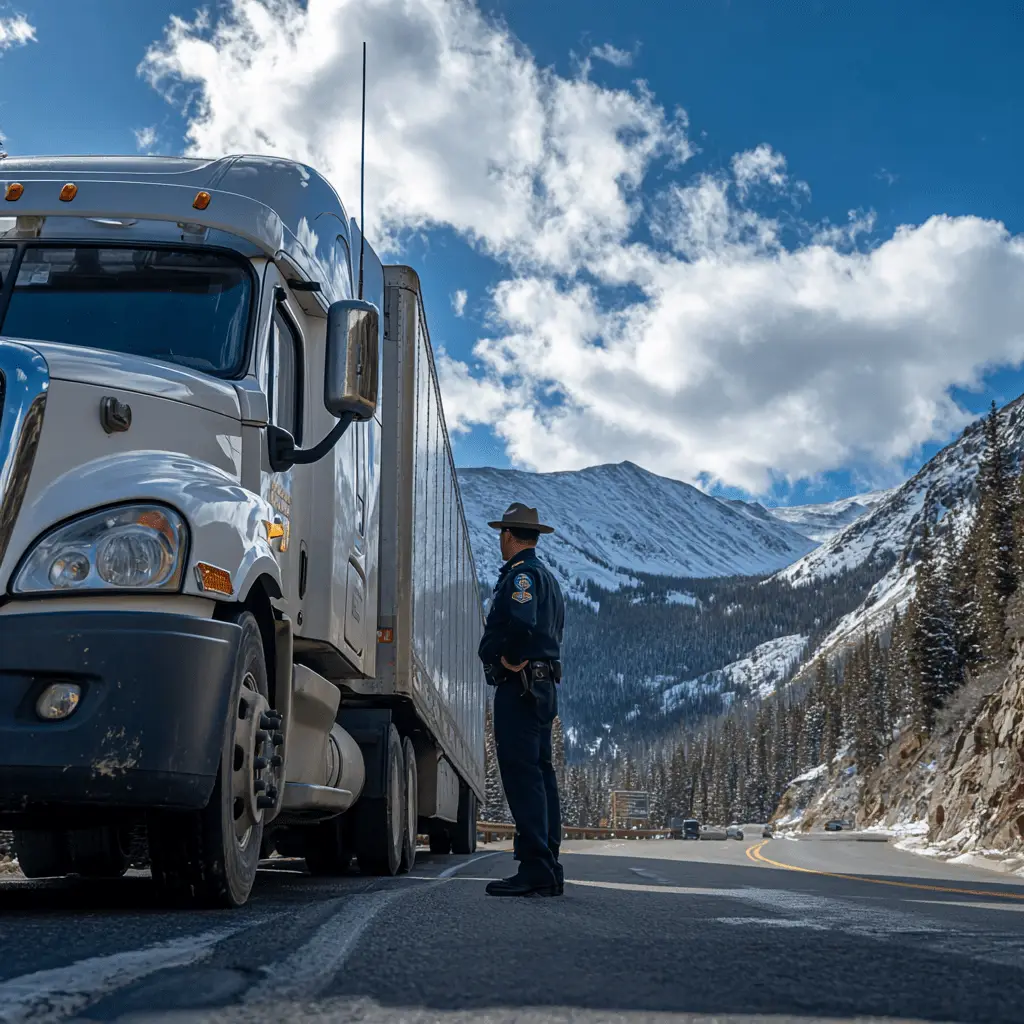
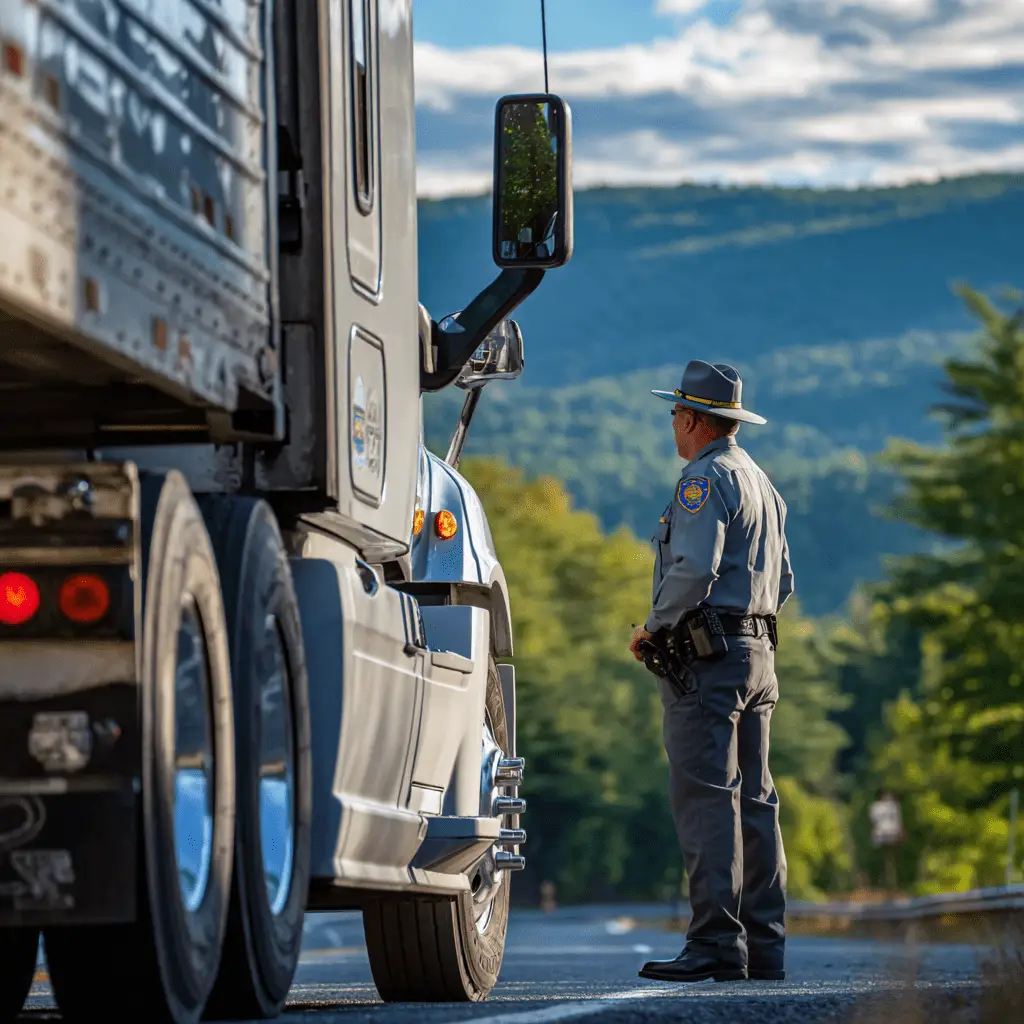

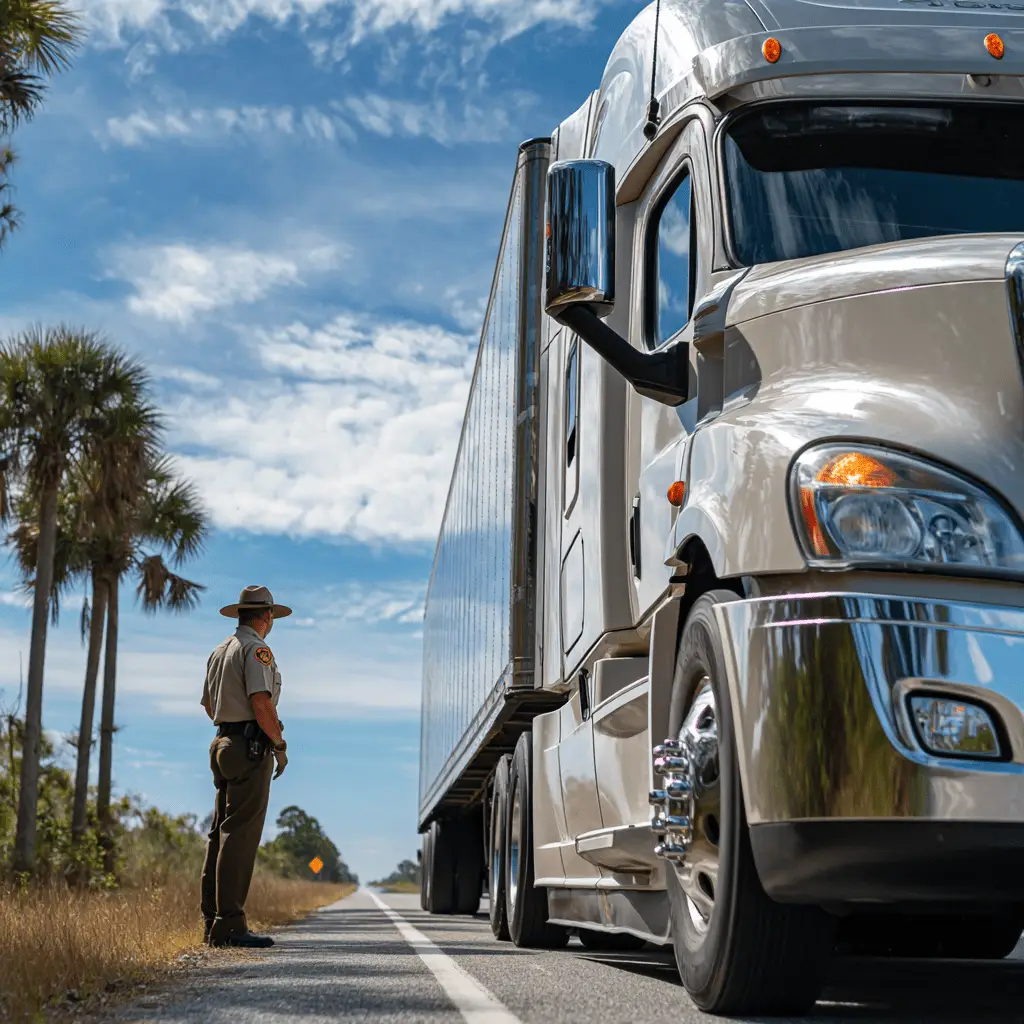



















No states match ""
Common questions about DOT compliance, BIT inspections, FMCSA regulations, and state-specific requirements.
The Commercial Vehicle Safety Alliance (CVSA) defines seven standardized inspection levels used across North America. Level I is the most comprehensive — a full inspection of both the driver and vehicle including under-vehicle components. Level II is a walk-around inspection covering everything visible without going under the vehicle. Level III focuses only on the driver's credentials and documentation. Level IV is a one-time inspection targeting a specific item. Level V is a vehicle-only inspection without the driver present. Level VI covers transuranic waste and highway route-controlled quantities of radioactive materials. Level VII is specific to jurisdictional commercial border crossing inspections.
Inspection duration and scope vary depending on the level, the officer, and the conditions found. For a detailed breakdown of each level, see our full guide: The 7 DOT Inspection Levels Explained.
These guides are based on the Federal Motor Carrier Safety Regulations (FMCSRs) as published in 49 CFR Parts 300–399 via the Electronic Code of Federal Regulations (eCFR), CVSA inspection level definitions and program materials, and publicly available materials from individual state enforcement agencies including departments of transportation, highway patrols, and public utilities commissions.
Content is reviewed on a regular basis and updated when meaningful regulatory changes are identified. However, regulations change frequently and we cannot guarantee that all information is current at the time of reading. We recommend confirming specific requirements with the relevant state agency or a qualified compliance professional before making operational decisions.
This page serves as a centralized index of U.S. state DOT compliance guides and is intended for general informational reference.
This content is for informational purposes only and does not constitute legal advice.
OneWayBIT tracks inspection deadlines, sends reminders before due dates, and keeps 3 years of records organized the way auditors expect. When it's time for DOT, you pull the file in seconds.
See How It Works